
Dindoshi Sessions Court rejects student’s plea, cites threats using intimate photos, criminal antecedents, and evasion of investigation.
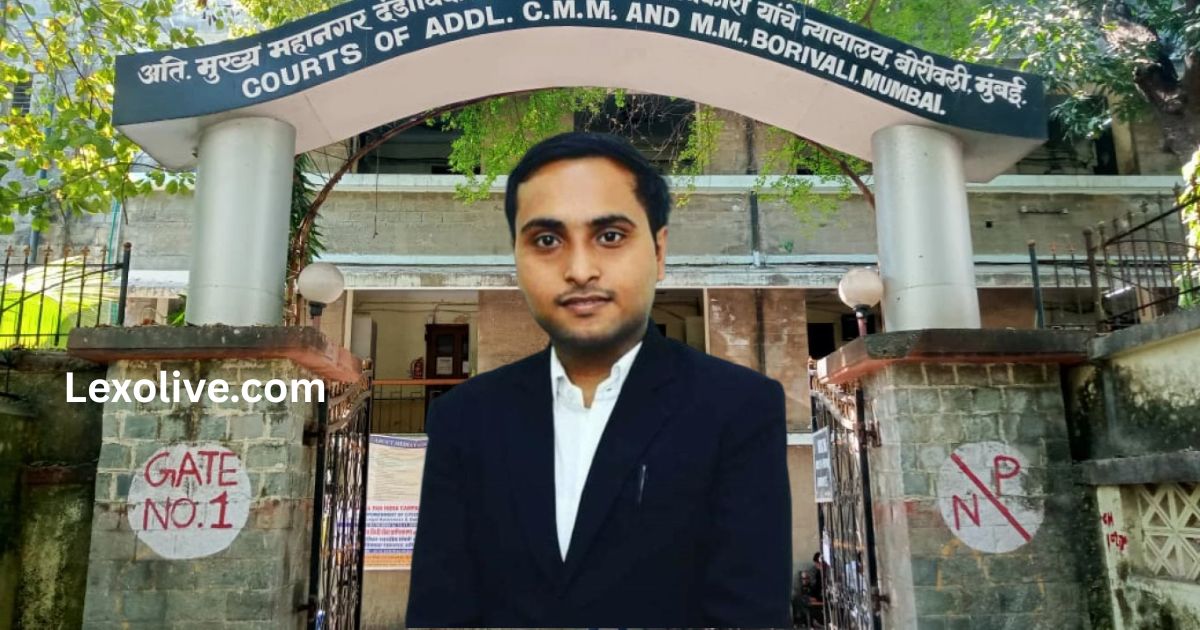
In a significant ruling that blended scrutiny of police procedure with grave criminal allegations, a Mumbai court has refused to grant anticipatory bail to a 27-year-old student from Himachal Pradesh, accused of cheating and extorting over ₹2 crore from a Delhi-based advocate. The Additional Sessions Judge, S. M. Agarkar, at the Dindoshi Sessions Court (Borivali Division), dismissed the plea, underscoring the “serious nature” of the accusations, which include threats to release compromising photographs.
The case, registered as FIR No. 617 of 2025 at Goregaon Police Station, invokes sections 318(4), 308(2), 356(3), and 61(2) of the new Bharatiya Nyaya Sanhita (BNS), 2023, pertaining to cheating, criminal intimidation, and extortion. The applicant, Parul Harbinder Rana, sought pre-arrest protection under Section 482 of the Bharatiya Nagrik Suraksha Sanhita (BNSS).
The Allegations: A Story of Intimacy, Travel, and Threats
The prosecution’s narrative, as detailed in the FIR by the complainant—a self-described advocate and government ambassador—paints a dramatic picture of exploitation. According to the complaint, the parties met in May 2024 via mutual friends. The relationship quickly escalated, with the applicant allegedly feigning a family medical emergency in June 2024 to solicit an initial ₹2.5 lakh.
Further payments followed under various pretexts, including another ₹2.5 lakh in July 2024. The complainant alleges that a physical relationship was established at his behest. Subsequently, a payment of ₹5 lakh was routed through a friend’s company in July 2024. The timeline includes a joint trip to Bali, fully funded by the complainant, where a demand for ₹20 lakh was allegedly made.
The turning point, as per the FIR, occurred when the complainant attempted to distance himself. The applicant, Parul Rana, allegedly threatened to publicly release intimate photographs stored on a cloud service (‘Idrop Software’) and file false rape charges unless more money was paid. The complaint states that a total of approximately ₹1.5 crore in cash and ₹50 lakh online was extorted. Family members, including Parul’s parents and sisters, are co-accused, allegedly making threatening calls to both the complainant and his wife.
Defense Arguments and Procedural Dispute
Arguing for bail in Sessions Court, Parul’s advocate, Mr. Rishi Bhuta, contended that the FIR disclosed no prima facie case of cheating or defamation. He highlighted that a similar complaint in Gurgaon had resulted in a police closure report. He further argued that the applicant had complied with interim bail conditions by surrendering her passport.
A central legal dispute emerged over investigation procedure. The defense cited the Supreme Court’s July 2025 judgment in Satender Kumar Antil vs. CBI, which held that notices under Section 35(3) of the BNSS must be served physically, not via electronic means. The Investigating Officer (IO) had summoned Parul via email on October 20, 2025—the day of Diwali—and again on November 2 for appearance on November 4. The defense argued this denied reasonable opportunity, especially as the accused resided in another state.
Prosecution and Intervener Push for Custodial Interrogation
Opposing bail, the Learned APP, Ms. R.S. Kanojia, and the IO, PI Umesh Dandile, emphasized the need for custodial interrogation to trace the massive funds and uncover the full conspiracy. They pointed to the applicant’s criminal antecedents in similar offences and accused her of providing incorrect contact details.
The complainant’s advocate, Mr. Satyadev Joshi, intervened forcefully. He dismissed the relevance of the Gurgaon complaint, clarifying no FIR was registered there. He argued the offences, occurring across multiple locations including Mumbai, justified the present FIR. Raising stakes, he suggested a potential “national security” angle, alleging the applicant, having served as a “country ambassador,” might have accessed confidential information—a claim the defense did not address.
Sessions Court’s Reasoning: Law, Conduct, and Gravity
In his order, Judge Agarkar navigated these complex layers. He acknowledged the procedural flaw, agreeing that the Supreme Court’s Antil ruling made electronic service of a BNSS Section 35(3) notice invalid. He also noted the unreasonableness of a Diwali day summons and short notice for an out-of-state accused.
However, the scales tipped decisively against the applicant. The Sessions Court found that she “prima facie” did not dispute the physical relationship or the receipt of some money. The core allegations of extortion via threats to viralize intimate photos remained stark and unchallenged on merits.
Critically, the judge noted that in her reply to the IO’s notice, Parul expressed an inability to attend the police station due to fear of arrest in another related FIR (No. 579 of 2025). This, the Sessions Court held, “prima facie shows that the applicant doesn’t want to appear… and it may cause impediment in investigation.”
Combining this apparent evasion with her criminal record, the seriousness of the accusations, and her perceived role as the “prime accused,” the Sessions Court found no grounds for the extraordinary relief of anticipatory bail.
Conclusion and Implications
The rejection of ABA No. 1435 of 2025 paves the way for Parul Harbinder Rana’s arrest, should the Mumbai Police choose to pursue it. The Sessions Court order underscores that while courts will strictly monitor investigative propriety, substantive allegations of serious crime, coupled with conduct suggesting non-cooperation, will heavily weigh against pre-arrest liberty.
The case now proceeds to trial, with the accused retaining the right to apply for regular bail upon surrender or arrest. The ruling also reinforces the binding nature of the Supreme Court’s directives on procedural laws under the new criminal codes, serving as a caution to investigating agencies on the limits of digital summons.
- For the Applicant- Advocate Mr. Rishi Bhuta (leading counsel) & Advocate Ms. Kruti Mehta (assisting counsel)
- For the Respondent/State- Additional Public Prosecutor (APP) Ms. R.S. Kanojia
- For the Original Complainant (Intervener)- Advocate Mr. Satyadev Joshi (leading counsel) & Advocate Mrs. Indra Sharma (assisting counsel)
Read More:-
One thought on “Goregaon Advocate Extortion Case: Dindoshi Sessions Court rejected ABA of Rana Sisters, Arrested For Allegedly Extorting ₹1.5 Crore”