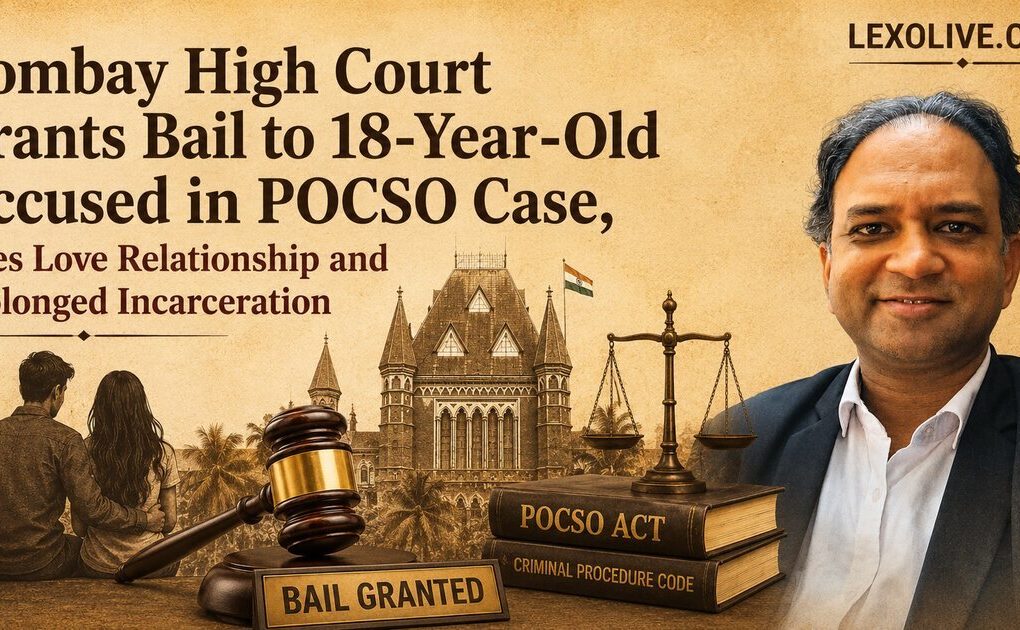
A recent judicial pronouncement from the Bombay High Court has served as a reminder of the constitutional spirit embedded within India's highest civilian honours. During a routine hearing, Justice Somasekhar Sundaresan took objection to a case being titled with a “Padmashree” prefix before a party's name, and issued a corrective directive.
The Bombay High Court invoked a definitive 1995 judgment of a five-judge Constitution Bench of the Supreme Court, which had clarified that national honours such as the Padma Shri, Padma Bhushan, Padma Vibhushan, and Bharat Ratna “do not confer any title” and cannot be used as prefixes or suffixes to a person's name. Citing this binding precedent under Article 141 of the Constitution, the court directed the removal of the “Padma Shri” prefix from the case records, calling such usage “legally impermissible.”
Historical Context. The Constitution's Article 18 abolishes titles, with narrow exceptions for military and academic distinctions — a deliberate move away from colonial-era hierarchies. The Padma Awards, instituted in 1954, were designed as a modern, egalitarian form of recognition rather than a marker of hereditary or permanent status. The Supreme Court's 1995 ruling settled that allowing awards to be used as prefixes would risk creating an informal class of “title-holders,” contrary to this egalitarian design.
The only permissible exceptions to the anti-title principle remain well-defined academic qualifications (such as “Dr.”) or military ranks, which denote an earned qualification or office rather than a state-bestowed honour for broad service.
Conclusion. Though made “purely as an incidental point,” the Bombay High Court's observation reinforces that respect under India's constitutional scheme is earned through actions and recognised through a singular honour — not appended as a permanent label before a name. The order reminds legal, media, and public institutions of the correct and constitutionally sound way to acknowledge these honours.